
Engineering Knowledge Professional Dialogue
Insights, technical articles and professional perspectives from MEMC on engineering, construction, infrastructure and project delivery.
Professional Engagement
MEMC Professional Engagement is a platform for sharing technical knowledge, practical experience and informed professional perspectives.
Through regular articles, we explore engineering practice, construction challenges, project management, infrastructure development, professional ethics and lessons drawn from real-world experience.
The objective is not simply to present answers, but to encourage discussion, exchange ideas and contribute to better professional practice.
New professional articles will be published regularly.
Latest Articles
Technical insights, professional reflections and lessons from practice
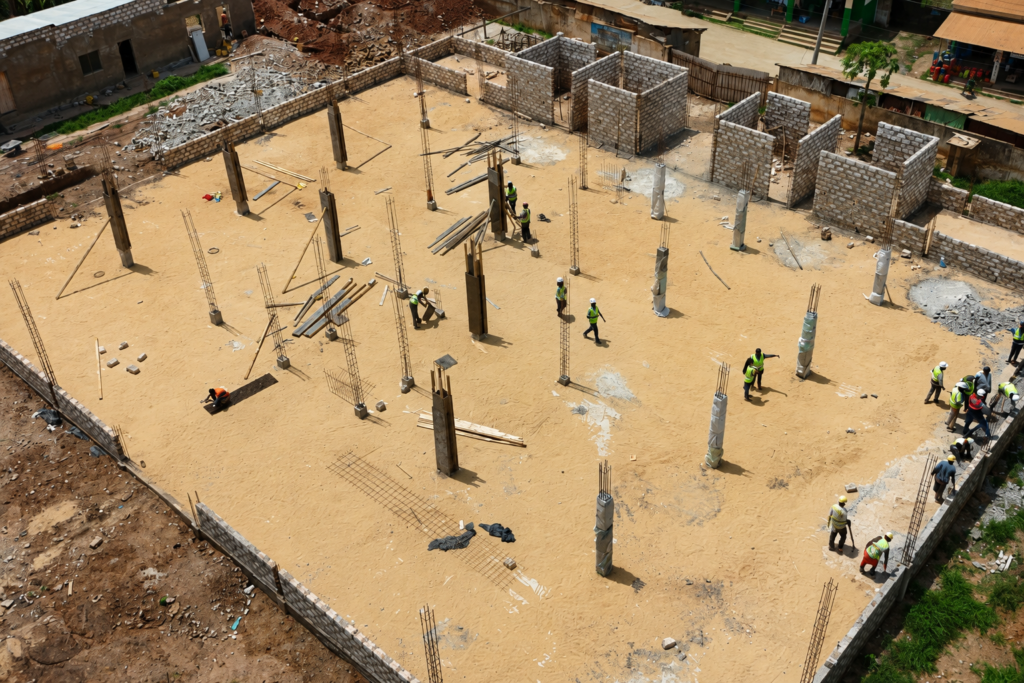
Concrete Curing: The Seven Days That Can Decide a Structure’s Future

When Site Conditions Differ from the Design: Who Makes the Decision?
Latest Articles
Technical insights, professional reflections and lessons from practice
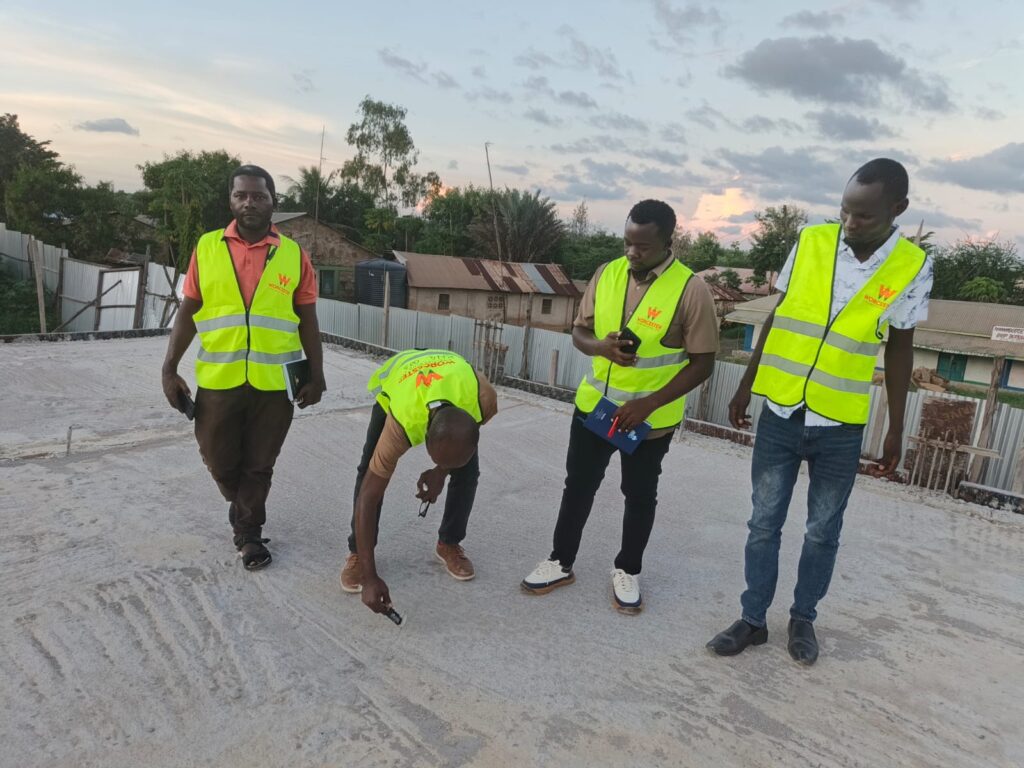
Cracks in Buildings: When Should You Be Concerned?
Cracks in buildings can result from anything from normal material movement to more serious structural problems. This article explains what cracks can tell us, the warning signs that deserve closer attention, and why understanding the cause should always come before repair.
Concrete Cube Tests: What Does a Failed Result Really Mean?
A concrete cube that fails to achieve the specified strength can cause immediate concern on site, but what does the result actually tell us? This article examines why cube tests may give low results, what should be investigated, and why engineering assessment should come before decisions on repair or demolition.
Waterproofing Is Not Just About Stopping Water
Water leaking into a building is usually discovered at the wrong end of the process.
The occupant sees a damp ceiling. The owner notices a wet wall. Water appears around a window, through a basement wall or on a roof after heavy rain.
The immediate reaction is usually:
“Where is the leak?”
That is an understandable question, but it is not always the most useful one.
Waterproofing is not simply about finding a hole and plugging it. A building remains dry because several elements work together: proper design, appropriate materials, correct detailing, sound workmanship, adequate drainage and protection of the waterproofing system during construction.
When any one of these is neglected, water eventually finds its way through.
WHEN SHOULD CONCRETE BE REJECTED ON SITE?
Concrete placement is one of the most critical stages in reinforced concrete construction.
By the time concrete arrives at the point of placement, considerable work may already have gone into excavation, formwork, reinforcement, services coordination and inspection. Labour, equipment and sometimes concrete pumps are waiting.
Rejecting concrete at this stage can therefore be inconvenient and costly.
But inconvenience is not a technical criterion for acceptance.
Equally, concrete should not be rejected casually merely because something about it appears unusual.
The appropriate decision should be based on the project specifications, the approved concrete mix, delivery and production records, relevant test results, site observations and sound engineering judgement.

Engineering solutions grounded in technical excellence, practical experience and enduring value.
CONTACT US
Mombasa, Kenya
Email: benson.muange@mutwii.co.ke
Website: mutwii.co.ke
Telephone +254 711 432 930
Engineering solutions grounded in technical excellence, practical experience and enduring value.
CONTACT US
Mombasa, Kenya
Email: benson.muange@mutwii.co.ke
Website: mutwii.co.ke
Telephone +254 711 432 930